















23rd IEEE International Conference on Factory Communication Systems (WFCS 2027)
April 20-23, 2027, Bilbao, Spain
Overview
Welcome to the 23rd IEEE International Conference on Factory Communication Systems (WFCS 2027).
In 2027, the University of the Basque Country (EHU) will have the honor of hosting WFCS in Bilbao, Spain. As the only IEEE conference dedicated specifically to communication systems for industrial automation, WFCS has established itself as a reference event for the international community in this field.
WFCS 2027 is supported by the IEEE Industrial Electronics Society (IEEE-IES) and coordinated by its Technical Committee on Factory Automation (TCFA). The conference provides a well-established forum for researchers, industry professionals, and practitioners to present high-quality research results, share insights, and exchange ideas on the latest developments in factory communication systems.
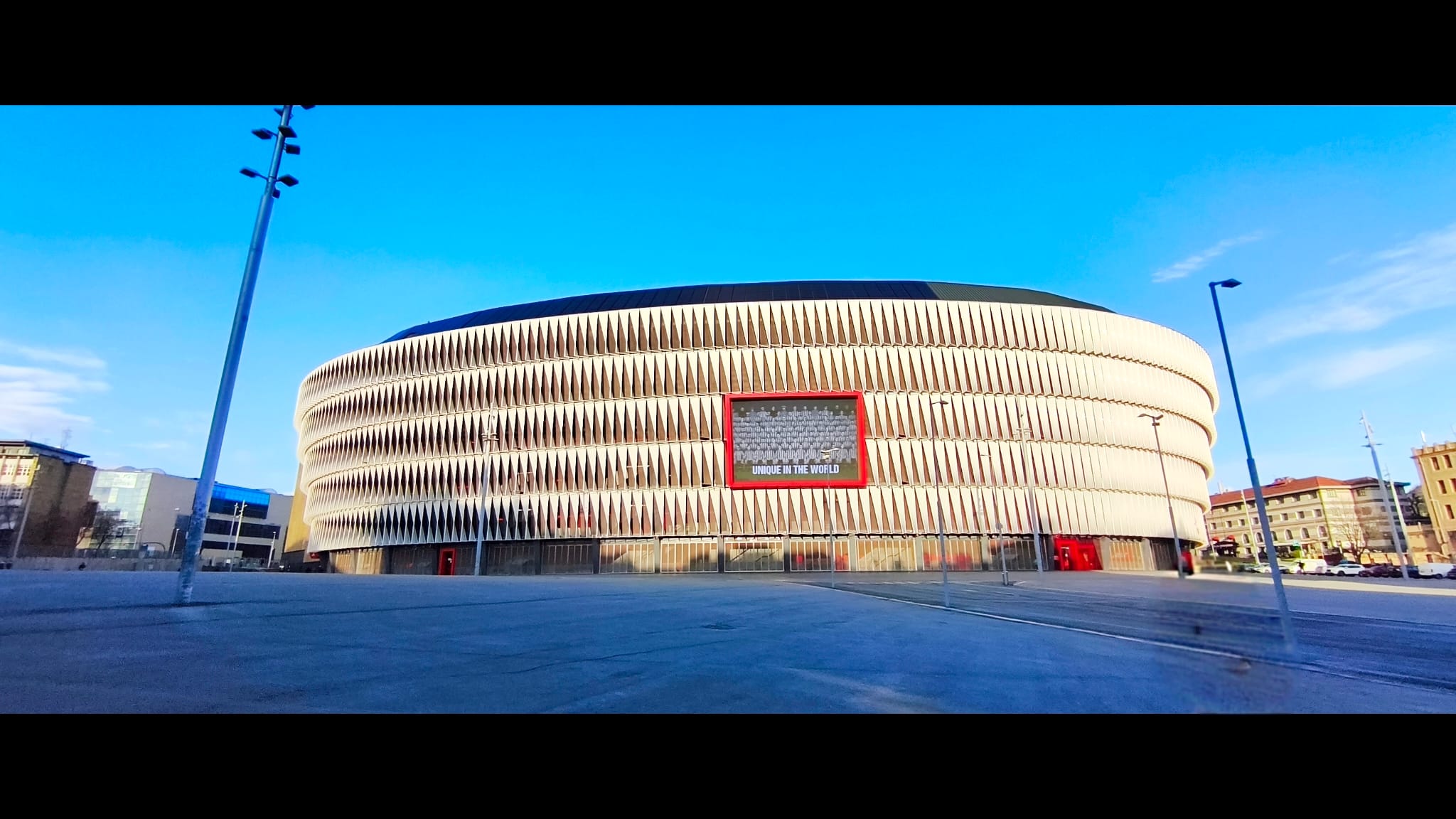
The conference will take place from April 20 to 23, 2027, at the Bizkaia Aretoa, the University of the Basque Country’s conference hall (Abandoibarra Etorbidea, 3, 48009 Bilbao, Bizkaia), located in downtown Bilbao.
Tutorials and demonstration sessions will be held on April 20, while the main conference program will run from April 21 to 23 at the same venue.
Conference Scope
The conference focuses on, but is not limited to, the following areas:
- Wired and wireless industrial communication systems and technologies
- Industrial Internet of Things (IIoT), including IEEE 802.15.4, LoRaWAN, Bluetooth
- Cloud, fog, and edge architectures for industrial automation
- Machine learning and data analytics for industrial communication systems
- Joint communication and sensing (JCAS/ISAC) for industrial applications
- Security and safety in industrial communication systems
- Fault tolerance, reliability, and availability in industrial networks
- Protocols, standards, and emerging technologies for real-time and embedded systems (5G/B5G/6G, Wi-Fi 7/8, TSN, IEC standards)
- Communication in cyber-physical and distributed control systems
- Communication challenges in collaborative robotics and automation
- Traffic scheduling and application–network integration
- Case studies, industry practices, and lessons learned
- Communication systems with similar requirements (smart grids, transportation, health, cities, etc.)
- Management and orchestration of heterogeneous networks, self-organizing systems, and network digital twins
We look forward to your participation and welcoming you to Bilbao for WFCS 2027.
Yours sincerely,
Pablo Angueira, Frank Golatowski
General Co-Chairs
Important Dates
- Special Session proposals: November 16, 2026
- Regular and Special Session papers: January 11, 2027
- Work-in-Progress and Demonstration papers: February 22, 2027
See Calls & Dates for all deadlines and the Call for Papers (PDF).
Contact
For any inquiries, please contact info.wfcs2027@ehu.eus.
Sponsors